Sleep Optimization: Tuning Your Chassis for F1 Performance
As a leading neuroscientist and dedicated biohacker, I’ve witnessed firsthand the profound impact of sleep on every facet of human performance. Imagine your brain as the most sophisticated, high-performance engine ever built—a Formula 1 chassis capable of astonishing speeds and intricate maneuvers. Now, imagine trying to push that engine to its limits without proper maintenance, without the right fuel, or without adequate cool-down periods. The result is predictable: diminished output, increased wear and tear, and ultimately, a breakdown.
In today’s relentless, hyper-connected world, many of us are inadvertently running our internal F1 machines on fumes. We battle insomnia, experience persistent lack of focus, and struggle with cognitive fatigue, all while aspiring to achieve more, think sharper, and perform at an elite level. This isn’t just about feeling tired; it’s about compromised decision-making, reduced creativity, impaired memory, and a weakened immune system. The desire to upgrade oneself, to unlock latent potential, often collides with the fundamental biological need for restorative sleep. This is where sleep optimization enters the arena, not as a luxury, but as the foundational pillar for peak cognitive and physical prowess.
This article will delve deep into the science and actionable strategies behind sleep optimization, transforming your understanding of rest from a passive state into an active, data-driven pursuit. We’ll explore the ‘why’ behind its critical importance for brain function and the ‘how’ of implementing advanced techniques to achieve truly restorative sleep, allowing your internal F1 chassis to perform at championship levels, day in and day out.
Key Takeaways
- • Sleep Optimization is Biohacking Your Brain: It’s a proactive, data-driven approach to enhance sleep quality, directly impacting cognitive function, physical recovery, and overall well-being beyond mere duration.
- • The “Why” is Neuroscientific: Deep sleep flushes toxins (Glymphatic System), consolidates memories, and fuels neuroplasticity. Understanding brain wave states (Alpha, Theta) is key to deep relaxation and recovery.
- • Holistic Strategy: True sleep optimization integrates environmental control (light, temperature), strategic supplementation, and the intelligent use of Biohacking Devices for measurable results.
- • Data is Your Co-Pilot: Leveraging wearables and Deep Sleep Tracking is crucial for personalized insights, allowing you to iterate and refine your sleep protocols for continuous improvement.
What is Sleep Optimization and Why Does Your Brain Need It?
The term “sleep optimization meaning” extends far beyond simply clocking in 7-9 hours. It’s the deliberate, scientific, and data-driven process of enhancing the quality, efficiency, and restorative power of your sleep. It’s about engineering your sleep environment and physiology to maximize the myriad of critical biological processes that occur when you’re unconscious, transforming your downtime into an active performance enhancer.
From a neuroscientific perspective, sleep is not merely a period of inactivity; it’s an intensely active state for the brain, akin to a pit stop for our F1 chassis. During sleep, particularly during deep sleep (NREM Stage 3 and 4), your brain engages in vital restorative functions:
- • Glymphatic System Activation: This remarkable waste-clearance system in the brain becomes up to 10 times more active during deep sleep. It flushes out metabolic byproducts and neurotoxins, including beta-amyloid, which are associated with neurodegenerative diseases. Think of it as your brain’s nightly detoxification cycle.
-
• Memory Consolidation: During both deep NREM and REM sleep, memories are processed, strengthened, and transferred from short-term to long-term storage. This is crucial for learning, skill acquisition, and creative problem-solving.

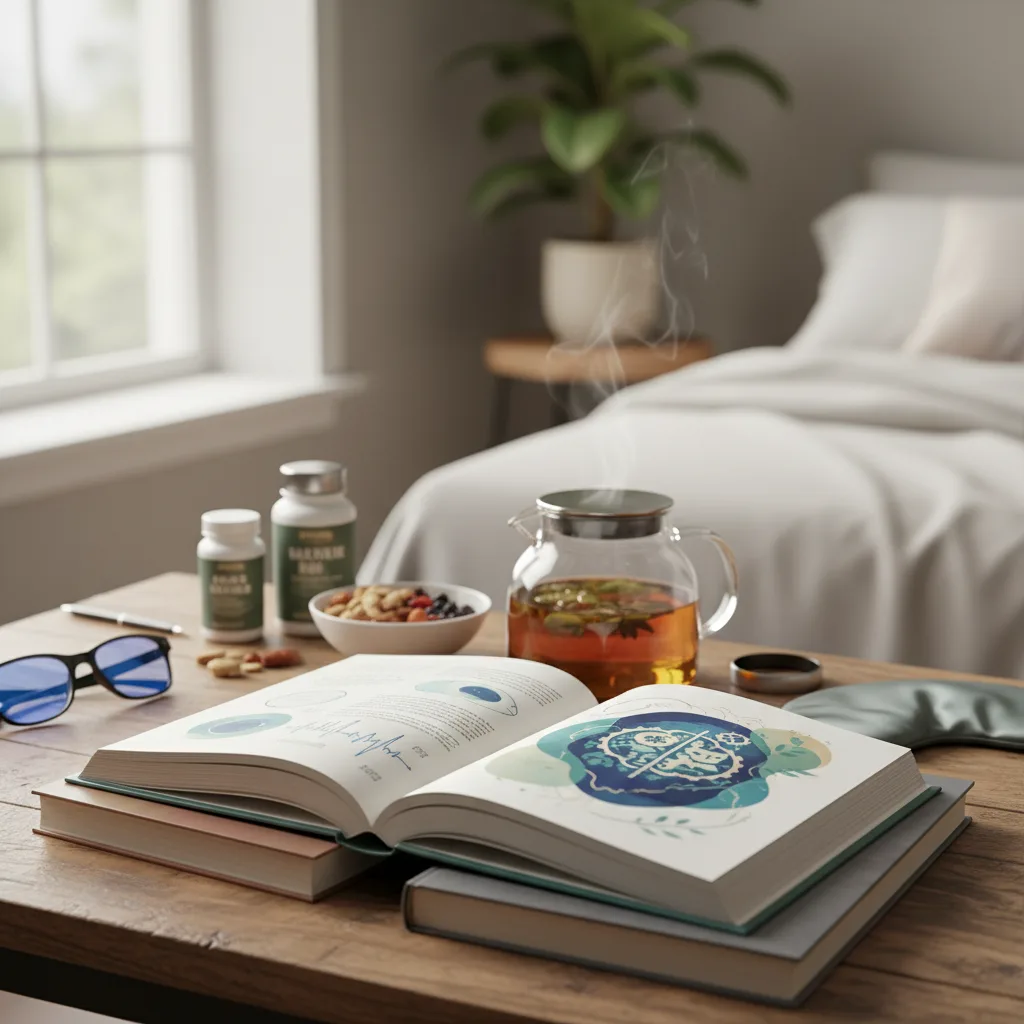
Visualizing sleep optimization through advanced brain and health tracking - • Neuroplasticity: Sleep supports the brain’s ability to reorganize itself by forming new neural connections throughout life. This adaptability is fundamental for continuous learning and cognitive resilience.
- • Hormonal Regulation: Sleep plays a pivotal role in regulating essential hormones, including growth hormone (critical for tissue repair and muscle growth), cortisol (stress hormone), and ghrelin/leptin (appetite regulation).
At the heart of sleep optimization is a deep understanding of your Circadian Rhythm—your body’s internal 24-hour clock. This rhythm, primarily regulated by light and darkness, dictates sleep-wake cycles, hormone release, and metabolic functions. Disrupting this rhythm, through inconsistent sleep schedules or excessive artificial light exposure, can have cascading negative effects on your health and performance. By aligning with and actively managing your circadian rhythm, you lay the groundwork for effective biohacking sleep.
Tuning Your Chassis for Peak F1 Performance: The Biohacker’s Approach to Sleep
Just as an F1 engineer meticulously tunes every component of a racing car, a biohacker approaches sleep with precision and intentionality. This isn’t about quick fixes; it’s about a systematic overhaul of your body’s most critical recovery process. Sleep optimization is the ultimate biohack for cognitive and physical supremacy.
The connection between optimized sleep and peak human performance is undeniable:
- • Cognitive Edge: Enhanced focus, rapid decision-making, superior problem-solving, and increased creativity are direct dividends of quality sleep. Your brain operates at a higher processing speed and efficiency.
- • Physical Prowess: For athletes and physically demanding professionals, sleep is where muscles repair, hormones rebalance, and energy stores replenish. It directly impacts strength, endurance, reaction time, and injury prevention.
- • Emotional Resilience: Optimized sleep regulates mood, reduces irritability, and improves emotional control. It fortifies your mental armor against daily stressors.
- • Robust Immunity: A well-rested body is a resilient body. Sleep & Immunity are inextricably linked, with restorative sleep boosting the production of cytokines and T-cells, crucial for fighting off infections.
The biohacker’s mindset views sleep as a tunable system. We don’t just passively accept whatever sleep we get; we actively measure, analyze, and intervene to achieve superior outcomes. This involves understanding your unique physiology and leveraging technological advancements to create an ideal sleep environment and routine.
Data-Driven Sleep Hacks: Decoding Your Nightly Metrics
In the world of F1, every millisecond is tracked, every parameter analyzed. The same rigor applies to sleep optimization. Relying on subjective feelings of “restedness” is insufficient. True biohacking sleep necessitates objective data to identify patterns, pinpoint weaknesses, and validate interventions.
Modern Biohacking Devices and wearables have revolutionized our ability to collect granular sleep data:
- • Sleep Stages: Trackers can differentiate between Light Sleep, Deep Sleep (NREM), and REM Sleep. Understanding the duration and timing of these stages is critical. Deep sleep is paramount for physical restoration and growth hormone release, while REM sleep is vital for emotional regulation and memory consolidation.
- • Heart Rate Variability (HRV): A key indicator of autonomic nervous system balance. Higher HRV generally signifies better recovery and resilience to stress. Monitoring nightly HRV trends provides insight into your body’s recovery state.
- • Resting Heart Rate (RHR): A lower, stable RHR during sleep is a marker of good cardiovascular health and recovery. Spikes or consistently elevated RHR can signal stress, overtraining, or illness.
- • Sleep Latency & Interruptions: How long it takes you to fall asleep, and how often you wake up during the night. Reducing these metrics significantly improves overall Sleep Efficiency.
Mind Asleep Body Awake conceptual illustration of brain activity during rest • Respiratory Rate: Variations in breathing patterns can indicate sleep apnea or other respiratory disturbances impacting sleep quality.

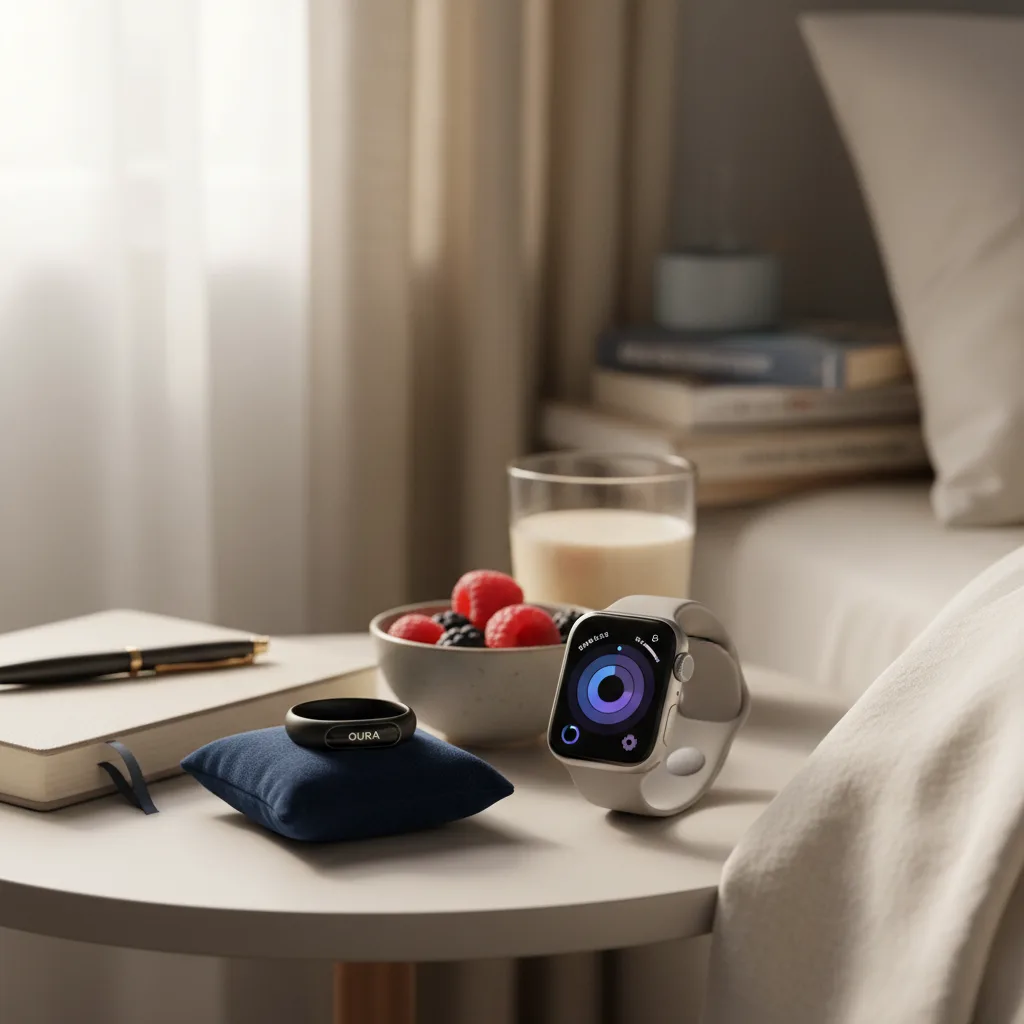
Platforms like Oura Ring, Whoop, and even advanced smartwatches provide comprehensive Deep Sleep Tracking and other physiological metrics. Comparing devices, such as Oura vs Apple Watch, reveals different strengths in data collection and insights. The key is to choose a reliable tracker and consistently review your data. Look for trends, correlate them with your daily habits (exercise, diet, stress), and use these insights to fine-tune your sleep optimization strategy. This iterative process is the essence of data-driven biohacking.
Environmental Controls: Crafting Your Optimal Sleep Ecosystem
Your sleep environment is just as critical as your internal physiology when it comes to sleep optimization. Think of your bedroom as a high-tech control center, meticulously engineered for restorative rest. Implementing stringent Sleep Hygiene practices within your environment can dramatically improve sleep quality.
Temperature: The Goldilocks Zone for Sleep
Our core body temperature naturally dips as we prepare for sleep. A cool environment facilitates this process, signaling to your body that it’s time to rest. The Sleep & Temperature sweet spot is typically between 60-67°F (15-19°C). Experiment to find your personal optimal range. Cooling mattresses, bed fans, or even a pre-bedtime cool shower can assist in achieving this ideal state.
Light: The Master Regulator of Your Circadian Rhythm
Light is the most powerful zeitgeber (time-giver) for your circadian rhythm. To optimize your sleep:
- • Morning Light: Expose yourself to bright natural light within 30 minutes of waking. This powerfully signals to your brain that the day has begun, helping to set your circadian clock.
- • Evening Darkness: Avoid blue light from screens (phones, tablets, computers, TVs) for at least 2-3 hours before bed. Blue light suppresses melatonin production, delaying sleep onset. Use blue light blocking glasses or dim, warm-toned lights.
- • Total Darkness for Sleep: Even small amounts of light can disrupt melatonin and sleep architecture. Blackout curtains, eye masks, and ensuring no LEDs are visible in your room are crucial.
For those seeking to further enhance their brain’s pre-sleep state, certain technologies can be highly beneficial. Engaging in activities that promote deep relaxation, such as meditation or guided breathing, can be amplified by targeted light and sound stimuli. For instance, specialized tools leveraging visual brain entrainment tools or sensory resonance technology can guide your brain into optimal frequency states (like Alpha and Theta waves) conducive to sleep and mental clarity. Exploring advanced light therapy devices can be a powerful addition to your nightly routine, helping to downshift your nervous system and prepare for truly restorative rest.

Sound: Silence or Soothing Symphony?
Eliminating disruptive noise is paramount. Earplugs or a white noise machine can mask environmental sounds. Some individuals find certain frequencies, like binaural beats or specific nature sounds, facilitate deeper relaxation and sleep onset. The goal is a consistent, non-alarming soundscape that supports uninterrupted rest.
Air Quality: The Unseen Influencer
Poor air quality, including high CO2 levels, can degrade sleep quality. Ensure good ventilation in your bedroom. An air purifier can remove allergens and pollutants, contributing to a cleaner, more breathable sleep environment.
The Biohacker’s Arsenal: Supplement Stacks for Enhanced Sleep
While foundational sleep hygiene and environmental controls are non-negotiable, targeted supplementation can provide an additional edge in your sleep optimization journey. As with any biohacking intervention, understand the ‘why’ and ‘how’ behind each supplement, and always consider individual responses and consult with a healthcare professional.
Key Supplements for Sleep Optimization:
- • Magnesium: A crucial mineral involved in over 300 enzymatic reactions, including those that regulate sleep. It helps activate the parasympathetic nervous system, promoting relaxation. Magnesium L-threonate is particularly effective for brain penetration.
- • L-Theanine: An amino acid found in green tea, known for its ability to promote relaxation without sedation. It increases Alpha brain waves, associated with a state of “wakeful relaxation,” and can reduce anxiety, making it easier to fall asleep.
- • Apigenin: A flavonoid found in chamomile, parsley, and celery. It acts as a mild sedative by binding to GABA-A receptors in the brain, inducing a calming effect.
- • Glycine: An amino acid that acts as an inhibitory neurotransmitter. Supplementing with glycine before bed can improve sleep quality, reduce core body temperature, and alleviate daytime fatigue.
-
• 5-HTP (5-Hydroxytryptophan): A precursor to serotonin, which in turn is a precursor to melatonin. It can help improve mood and sleep quality, but should be used cautiously and ideally under guidance due to potential interactions.
A person wearing sleep headphones listening to calming sleep music - • GABA (Gamma-Aminobutyric Acid): The primary inhibitory neurotransmitter in the brain, responsible for calming nervous activity. While its ability to cross the blood-brain barrier is debated, some individuals report benefits for relaxation and sleep.
- • Melatonin: The hormone that regulates the sleep-wake cycle. While effective for jet lag or shifting sleep schedules, long-term use should be considered carefully, as it’s best to support your body’s natural melatonin production.

Remember, supplements are designed to supplement, not replace, a robust sleep optimization strategy. Focus on dialing in your environment and habits first, then strategically layer in supplements to address specific needs or deficiencies. Always start with low doses and monitor your body’s response.
Recovery Metrics and Beyond: Quantifying Your Rejuvenation
In the pursuit of peak performance, simply getting enough sleep isn’t the finish line; it’s the starting grid. The true measure of effective sleep optimization lies in your recovery metrics. These objective data points tell you how well your body and brain are rejuvenating, preparing you for the next day’s challenges.
Beyond Sleep Duration: What to Track
- • Sleep Consistency: Going to bed and waking up at roughly the same time every day (even weekends) is one of the most powerful hacks for regulating your Circadian Rhythm. Consistency often trumps sheer duration.
- • Heart Rate Variability (HRV) & Resting Heart Rate (RHR) Trends: As discussed, these are your body’s vital signs for recovery. Look for stable, optimal values indicating a well-recovered state.
- • Sleep Efficiency: This metric measures the percentage of time you spend actually sleeping while in bed. Higher Sleep Efficiency (ideally 85-90%+) means less tossing and turning and more effective rest.
- • Body Temperature: Monitoring your skin temperature during sleep can provide additional insights into your body’s inflammatory state or recovery from illness/stress.
- • Subjective Well-being: While data is paramount, don’t ignore how you feel. Energy levels, mood, cognitive sharpness, and perceived recovery are important subjective indicators to correlate with your objective data.

The Power of Brainwaves: Alpha and Theta States
Understanding brainwave states provides a deeper layer of insight into relaxation and recovery. During wakefulness, we primarily operate in Beta brain waves (active, focused thought). As we relax, we transition to Alpha brain waves (relaxed, meditative state), which are crucial for winding down before sleep and fostering creativity. Deeper relaxation and the onset of light sleep are characterized by Theta brain waves, linked to learning, memory, and intuition.
Optimizing for these states, through practices like meditation, breathwork, or even neurofeedback, can significantly enhance your ability to fall into and remain in restorative sleep. Technologies that facilitate the shift into Alpha and Theta states are powerful tools in a biohacker’s arsenal for achieving truly optimized rest and mental clarity.
Leveraging Tools for Optimal Scheduling
To further refine your sleep-wake cycle and ensure you’re maximizing your recovery, a Sleep Calculator can be a helpful guide. These tools estimate ideal bedtimes and wake-up times based on typical sleep cycles (90-minute increments), aiming to wake you during a lighter sleep stage, which can reduce grogginess. While not a substitute for personal data, it offers a solid starting point for establishing a consistent and effective sleep schedule.
By integrating these recovery metrics and understanding the underlying neuroscience, you move beyond guesswork. You gain the data-driven insights needed to continually refine your sleep optimization protocols, ensuring your F1 chassis is always running at its absolute peak.
Conclusion: Unleash Your Inner Champion with Optimized Sleep
The journey of sleep optimization is a continuous, iterative process—a true commitment to biohacking sleep for a superior existence. It’s about recognizing that sleep is not a passive state but the most potent performance-enhancing drug available, freely accessible and infinitely adaptable. By adopting a scientific, data-driven approach, you transcend the limitations of conventional rest and unlock a new realm of cognitive clarity, physical vitality, and emotional resilience.
Remember your brain as that F1 chassis. Just as a top-tier racing team invests in cutting-edge technology, meticulous engineering, and rigorous data analysis to win championships, you must invest in your sleep. From understanding the nuanced sleep optimization meaning to implementing advanced environmental controls, strategic supplementation, and precise recovery metrics, every adjustment contributes to a finely tuned, high-performing machine.
The benefits are not merely anecdotal; they are backed by robust neuroscience: enhanced neuroplasticity, superior memory consolidation, efficient toxin clearance via the glymphatic system, and balanced hormonal regulation. These are the fundamental mechanisms that elevate your cognitive functions and physical capabilities, allowing you to not just compete, but dominate in your chosen field.