neurovizr

Filter posts by category

A person meditating or focused intently, surrounded by subtle digital elements representing neuro-optimization tools and calm, focused brain activity. The image conveys mental clarity and present-moment awareness, possibly with a subtle overlay of the NeuroVizr device or brainwave patterns.

5 Ways to Stay Consciously Focused on the Present Moment

Key Takeaways This article delves into five scientifically-backed methods to cultivate conscious focus and present-moment awareness: mindfulness meditation, digital detox strategies, active sensory engagement, goal-oriented attention, and advanced neuro-optimization techniques like Neurofeedback and Light and Sound Therapy (e.g., NeuroVizr). It highlights the profound benefits, including reduced stress, enhanced emotional regulation, improved cognitive function, and overall […]

5 Ways to Stay Consciously Focused on the Present Moment Read More »
A NeuroVizr device emitting synchronized light and sound, illustrating its mechanism to influence and rewire neural pathways within a human brain for enhanced cognitive function and improved sleep.

The Science Behind NeuroVizr: How Light & Sound Rewire Your Brain

Key Takeaways NeuroVizr leverages advanced synchronized light and sound stimuli to induce brainwave entrainment, actively promoting neuroplasticity. This innovative device uses carefully designed patterns to guide brain activity towards desired states like deep relaxation (alpha/theta) or peak focus (beta/gamma). It features three progressive levels, catering to individual sensitivity and specific goals, ranging from gentle introduction

The Science Behind NeuroVizr: How Light & Sound Rewire Your Brain Read More »

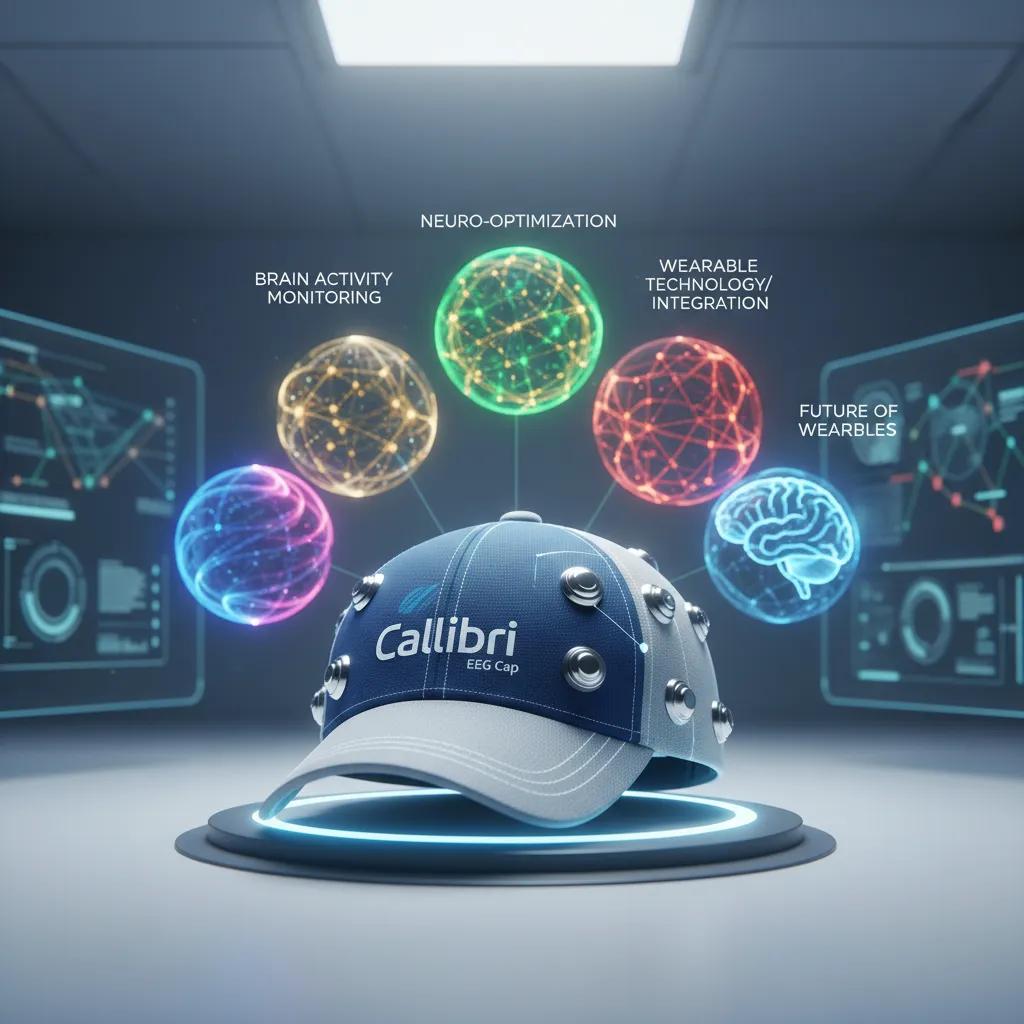
A person wearing a sleek Callibri Baseball Cap, subtly integrated with EEG sensors, demonstrating discreet neuro-monitoring for enhanced focus and brain optimization in a modern, casual setting.

4 Reasons the Callibri EEG Cap Is the Future of Wearables

Key Takeaways The Callibri Baseball Cap is a groundbreaking wearable EEG device that revolutionizes personal neuro-monitoring. It integrates advanced brain-sensing technology discreetly into an everyday baseball cap, offering real-time insights into focus, stress, and sleep. This innovative cap empowers users to enhance cognitive function, manage stress, and optimize overall well-being through personalized neurofeedback and brain

4 Reasons the Callibri EEG Cap Is the Future of Wearables Read More »

An abstract visual representation of personality traits, with a central figure showing both outgoing and reflective characteristics, surrounded by elements symbolizing social interaction, brain activity, and the balance between external engagement and internal thought.

Extraversion vs Extroversion: What Is the Real Difference?

Key Takeaways The article clarifies the distinction between ‘Extraversion’ (scientifically preferred, coined by Carl Jung from Latin ‘extra-‘ meaning ‘outside’) and ‘Extroversion’ (popular phonetic variant), both describing an outward-turning personality. It delves into Jung’s original concept of psychic energy, the Big Five model’s facets (sociability, assertiveness, excitement-seeking, etc.), and the neurological underpinnings involving dopamine pathways

Extraversion vs Extroversion: What Is the Real Difference? Read More »

BrainBit Mindo EEG Headband positioned on a head, showcasing its comfortable dry electrodes and sleek design, with a smartphone displaying real-time brainwave data via its connected app.

5 Advanced Features of the BrainBit Mindo EEG Headband

Key Takeaways The BrainBit Mindo is an advanced portable EEG headband designed for both personal neuro-optimization and scientific research. It features superior dry electrode technology for comfort and quick setup, high-fidelity 4-channel signal acquisition (250 Hz sampling, 16-bit resolution) for accurate brainwave monitoring across delta, theta, alpha, beta, and gamma bands. The device offers seamless

5 Advanced Features of the BrainBit Mindo EEG Headband Read More »

Illustration of a brain with the limbic system highlighted, symbolizing emotional regulation challenges and potential for neuro-optimization for Limbic ADD.

7 Symptoms of Limbic ADD & How to Treat It Naturally

Key Takeaways Limbic ADD, a distinct subtype of Attention Deficit Disorder identified by Dr. Daniel Amen, is characterized by an overactive deep limbic system, leading to symptoms like persistent sadness, low energy, negativity, irritability, social isolation, low motivation, and cyclic mood shifts. Unlike other ADD types, conventional stimulant medications are often ineffective or detrimental, potentially

7 Symptoms of Limbic ADD & How to Treat It Naturally Read More »

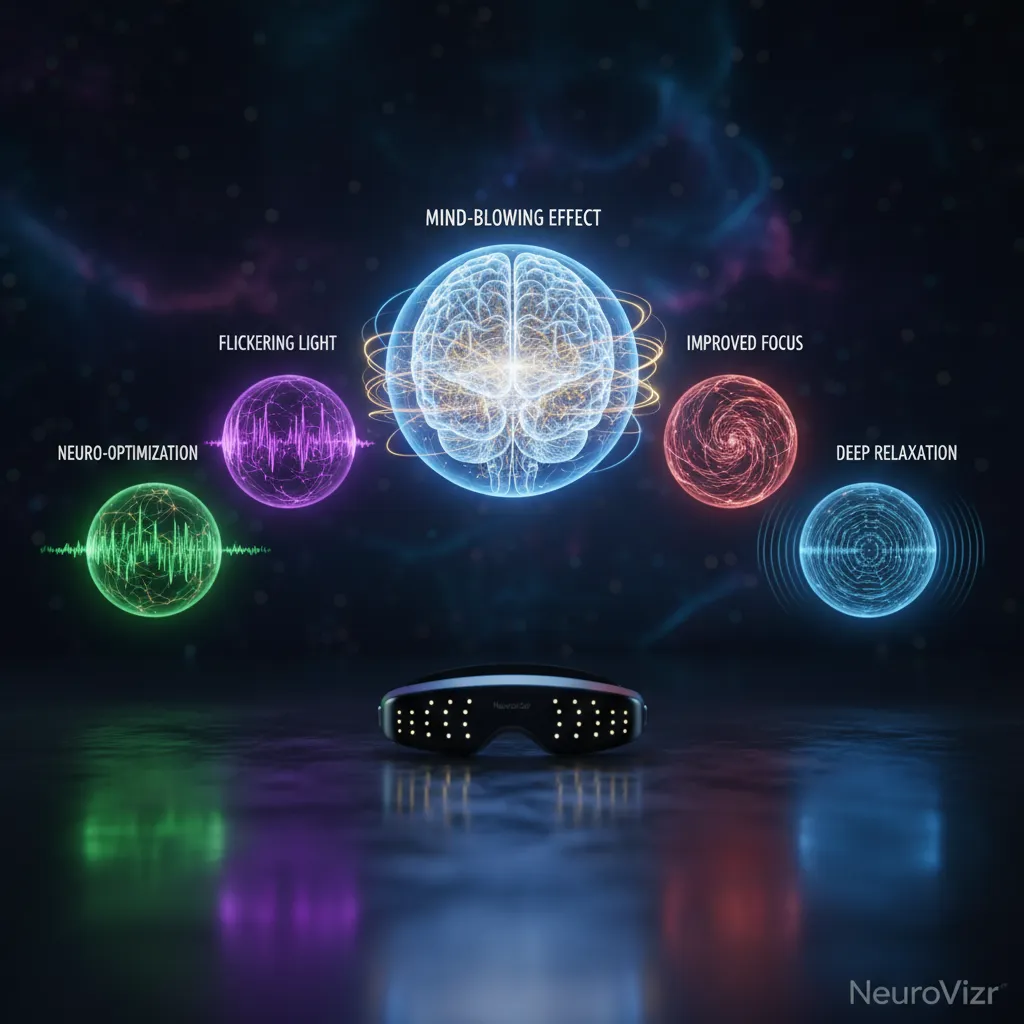
A conceptual image showing rhythmic light pulses from stroboscopic goggles affecting brainwave patterns, symbolizing enhanced focus, relaxation, and cognitive function.

5 Mind-Blowing Effects of Stroboscopic Light Stimulation

Key Takeaways Stroboscopic light stimulation is an advanced neuro-optimization technique leveraging rhythmic light patterns to synchronize brainwave activity, a process known as brainwave entrainment. This non-invasive method can induce profound relaxation (via alpha waves), sharpen mental acuity and focus (theta and gamma waves), unlock creative insights (hypnagogic state), facilitate deeper, more restorative sleep (delta and

5 Mind-Blowing Effects of Stroboscopic Light Stimulation Read More »

A serene person meditating in a peaceful, minimalist room, with a subtle glow from a NeuroVizr device, symbolizing modern and ancient paths to inner peace and mental tranquility.

7 Simple Steps on How to Find Peace in Life Today

Key Takeaways This comprehensive guide outlines 7 science-backed steps to achieve lasting inner peace: cultivating mindfulness and presence, optimizing digital and physical environments, practicing gratitude and positive reframing, prioritizing physical well-being (sleep, exercise, nutrition), embracing ancient philosophies (Stoicism, Buddhism), setting healthy boundaries and self-care, and leveraging neuro-optimization tools like the NeuroVizr device. It emphasizes the

7 Simple Steps on How to Find Peace in Life Today Read More »

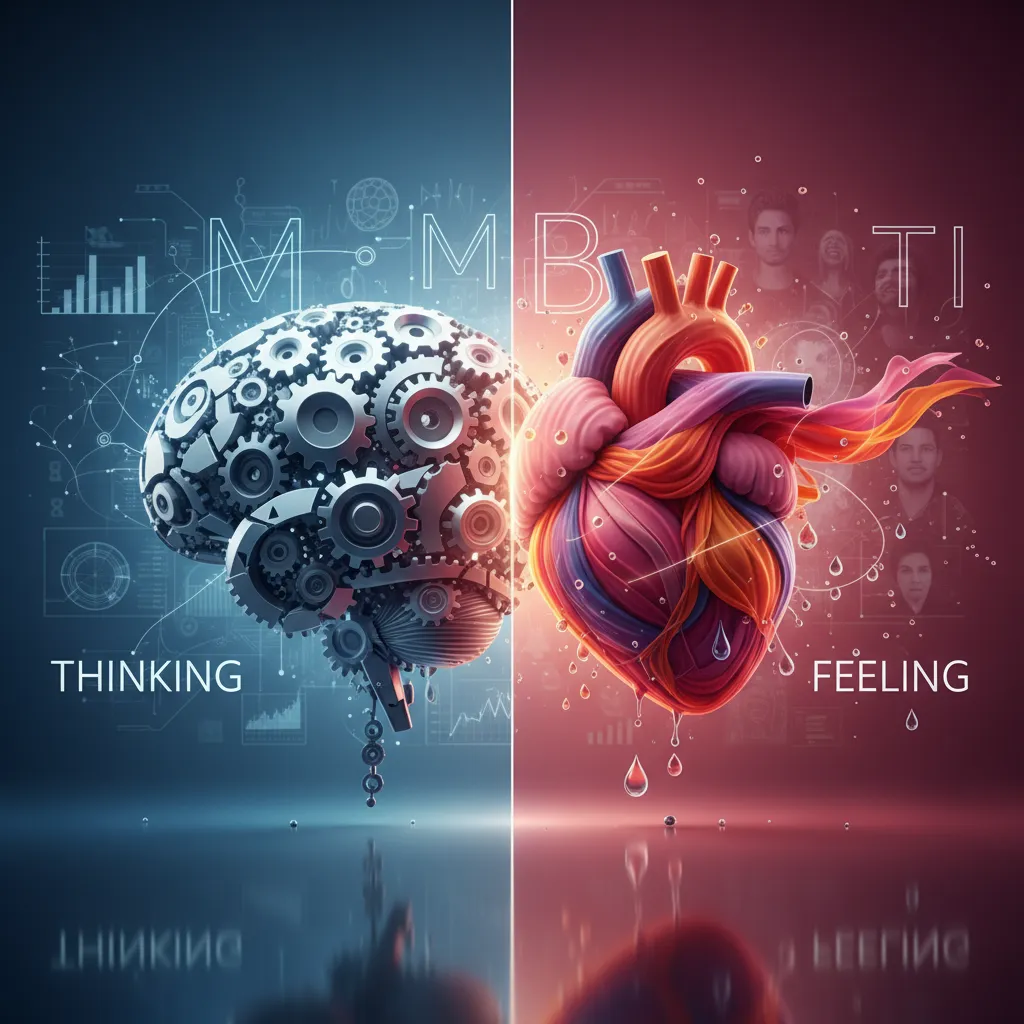
Illustration depicting two distinct thought bubbles, one with gears and logic symbols (representing Thinking) and another with a heart and connected people symbols (representing Feeling), highlighting the difference between logical and emotional processing in personality types.

6 Major Differences Between Thinking vs Feeling Personality Types

Key Takeaways This article explores the fundamental differences between Thinking and Feeling personality types, core to the MBTI framework. It delves into their distinct approaches to decision-making (logic vs. values), communication (direct vs. empathetic), motivations (competence vs. harmony), and conflict resolution (objective resolution vs. preserving relationships). The piece emphasizes that personal growth involves developing one’s

6 Major Differences Between Thinking vs Feeling Personality Types Read More »

Scroll to Top